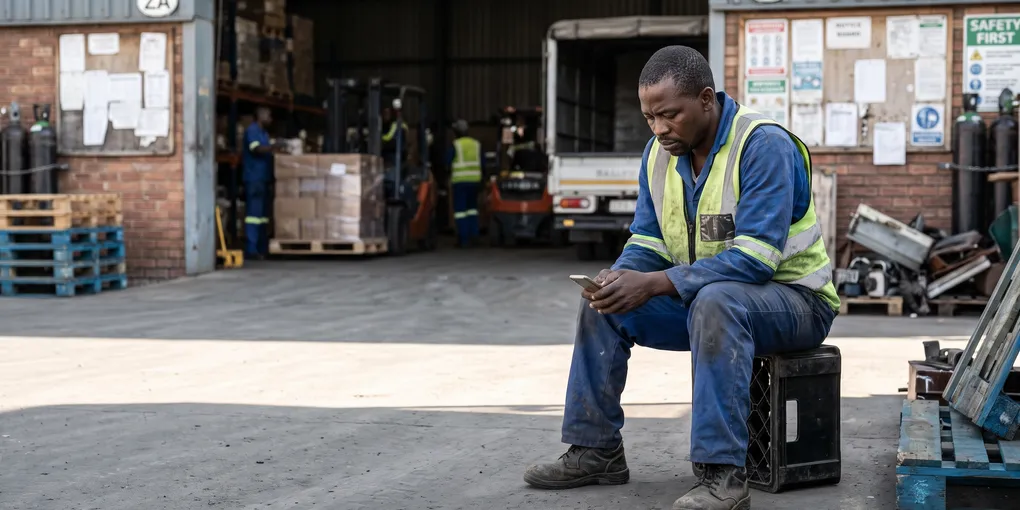
The Invisible Workforce: How Deskless Staff Disengage When Head Office Goes Silent
Walk into the back office of almost any growing South African company, and you’ll see a buzzing hub of communication. Office-based staff have Slack or Teams open, email calendars synced, and are regularly called into quick catch-ups. Company news, client feedback, and peer recognition flow naturally across desks and digital chats.
But for the 70% of your workforce on the warehouse floor, behind steering wheels, or patrolling remote sites, the experience is entirely different.
For them, “head office” is often a distant entity that only makes itself heard when something goes wrong, when a policy changes, or when there is an audit. When a workforce doesn’t sit at a desk, the silence from head office is deafening, and it creates a quiet, expensive, and deeply felt cultural divide.
The Resentment of the “Second-Class” Workforce
When back-office and frontline teams are disconnected, employees on the ground start to feel like “second-class citizens” in their own company.
This silent disengagement doesn’t show up on a spreadsheet right away, but you’ll feel its effects across operations:
1. High Turnover Born of Isolation
Drivers, site guards, and factory operators spend their days in isolated environments, often working with very little visibility. If their only contact with the business is transactional, such as receiving shift schedules or getting phoned about mistakes, they feel like replaceable cogs. Without a sense of belonging or knowing the bigger picture, they won’t think twice about leaving for an extra R500 a month elsewhere.
2. Quiet Resentment of the “Office Crowd”
When office staff are celebrated publicly with lunches, certificates, or team emails while the field teams receive no recognition, a “them versus us” mentality takes root. A team that feels ignored by management will return the favour by ignoring company standards, safety rules, and operational efficiencies.
3. The Broken Telephone Effect
When you rely on cascading messages through several layers of management or pinning papers to breakroom noticeboards, updates get lost in transit. By the time an announcement reaches a field worker, it has been stripped of its context, often feeling like a top-down mandate rather than an inclusive company step forward.
Breaking the Silence: Building an Inclusive, Mobile-First Culture
Connecting your deskless workforce doesn’t require massive company budgets, expensive HR hires, or forcing everyone onto email. It’s about building inclusive, accessible communication patterns that make field staff feel seen, heard, and valued.
Here is how to bridge the gap:
1. Make Recognition Mobile-First and Public
Recognition only works if everyone can see it. If you celebrate an employee of the month via an email newsletter, 70% of your workforce will never know. Move shout-outs to accessible, mobile-first channels like WhatsApp or SMS broadcasts:
- “Shout-out to Sipho and the warehouse team for loading 20 extra pallets on Friday to help us meet a big client deadline!”
- “A huge thanks to our night-shift drivers who navigated severe wet weather this week to keep our deliveries on track.”
Hearing their names mentioned to the whole company gives frontline workers a visible stake in the team’s success.
2. Share Transparent Updates, Not Just Rules
Don’t reserve communications strictly for policy updates or reprimands. Bring the field team into the fold by sharing transparent company news, customer feedback, and upcoming wins. Use voice notes, videos, or quick, low-data messages:
- “We’ve just signed a new contract with [Client], which will keep our vehicles busy through the winter!”
- “A customer sent us this message: ‘Shout-out to the driver who helped us unload with a smile!’ Great work, team.”
Knowing where the business is heading builds a shared sense of purpose.
3. Give Frontline Teams a Voice
Inclusive culture is a two-way street. Create lightweight loops where frontline staff can speak back, ask questions, or share on-the-ground challenges without the fear of bureaucratic processes. Quick, monthly, 1-question pulse checks, like “What is one thing that could make your shift safer?”, help teams highlight operational roadblocks early, while showing that their opinions are valued.
No One Should Be Invisible
A business cannot run at its best when the majority of its workforce is out of the loop. Transitioning from corporate emails and breakroom notices to direct, mobile-first updates and public shout-outs acknowledges that every role plays a vital part in keeping the company moving.
When you break the silence, you don’t just improve operations, you build a loyal, connected workforce that takes pride in the business.