How to Reach the 70% of Your Workforce Without a Corporate Email Address
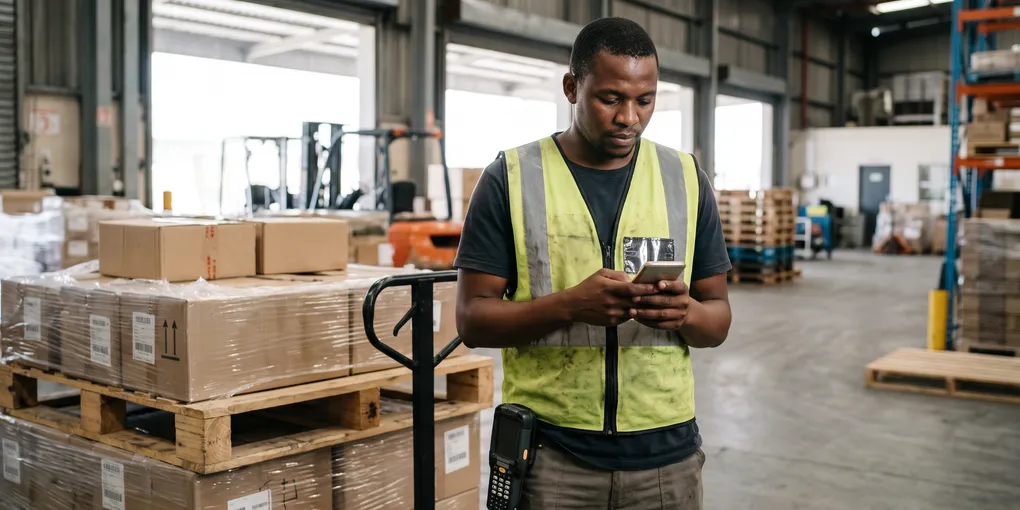
In South Africa, more than 70% of the workforce doesn’t sit at a desk. They are on factory floors, behind steering wheels, patrolling sites, stocking retail shelves, or working in the field.
Yet, when head office needs to send out an urgent policy update, share a shift change, or check in on team morale, the default reflex is still to draft an email or upload a PDF to a corporate intranet.
For your frontline team, that message might as well have been written in invisible ink. Without a company laptop or a @yourcompany.co.za email address, your operational backbone is completely disconnected from the rest of the business.
Why Traditional Internal Comms Fail Deskless Teams
When businesses try to bridge this gap, they usually hit three immediate roadblocks:
1. The High Cost of Mobile Data
Most field and frontline staff rely on personal smartphones and prepaid data bundles. Asking an employee to download a heavy, 80MB corporate app, or forcing them to load a data-hungry web portal just to read a memo, creates instant friction. When mobile data is expensive, employees conserve every megabyte. If accessing work updates eats into their personal data bundle, they simply won’t log in.
2. The “Chinese Whispers” of Noticeboards and Supervisors
Relying on physical noticeboards in break rooms or cascading messages down through site supervisors rarely works reliably. Crucial safety updates get buried behind old flyers, shift handovers get rushed, and nuances get lost before the message ever reaches the person doing the job.
3. Chaotic Unmanaged Group Chats
To bypass email, many managers create massive WhatsApp groups. While fast, unstructured group chats quickly turn into noise. Important company announcements get drowned out by “thumbs up” emojis, off-topic memes, and shift-swap requests. Worse, when someone leaves the company, they often remain inside active operational chats for months.
How to Build a Reliable, Low-Data Communication Loop
Reaching your deskless workforce doesn’t require issuing company phones or paying for hundreds of unused email licenses. It comes down to meeting employees on the tools they already use, while keeping interactions lightweight and structured.
1. Meet Them Where They Already Are (Zero New App Friction)
Instead of forcing staff to remember passwords for a standalone portal they rarely open, use channels already active on their personal phones, specifically WhatsApp. Because messaging platforms run on minimal background data and are already open dozens of times a day, delivery rates are near-instant.
2. Switch from Noisy Group Chats to One-Way Broadcasts
Separate operational chatter from official company news. By using structured, one-way announcement channels, management can push critical updates, like public holiday schedules, safety alerts, or HR policy changes, directly to every employee’s phone without the message getting lost in a 100-person group thread. You also gain clear visibility into who actually received the message.
3. Run Quick, Low-Data Sentiment Checks
Communication shouldn’t just be top-down. Frontline workers often spot operational bottlenecks long before head office does, yet they rarely get a voice. Replace lengthy annual engagement surveys with quick, one-tap pulse polls. Asking a simple question, like “How manageable was your workload this week?” or “Do you have the equipment you need for tomorrow’s shift?”, takes seconds to answer, uses virtually zero data, and gives leadership real-time visibility into team morale.
A Connected Workforce Runs Better
When frontline staff are kept in the dark, small misunderstandings turn into missed shifts, safety risks, and high turnover. By swapping bulky emails and chaotic group chats for lightweight, mobile-first announcements and pulse checks, you bring your entire team onto the same page, no corporate email required.